Hurricanes and your AC: what to do before and after a storm
Published: 2026-10-13 · Kendall AC Repairs
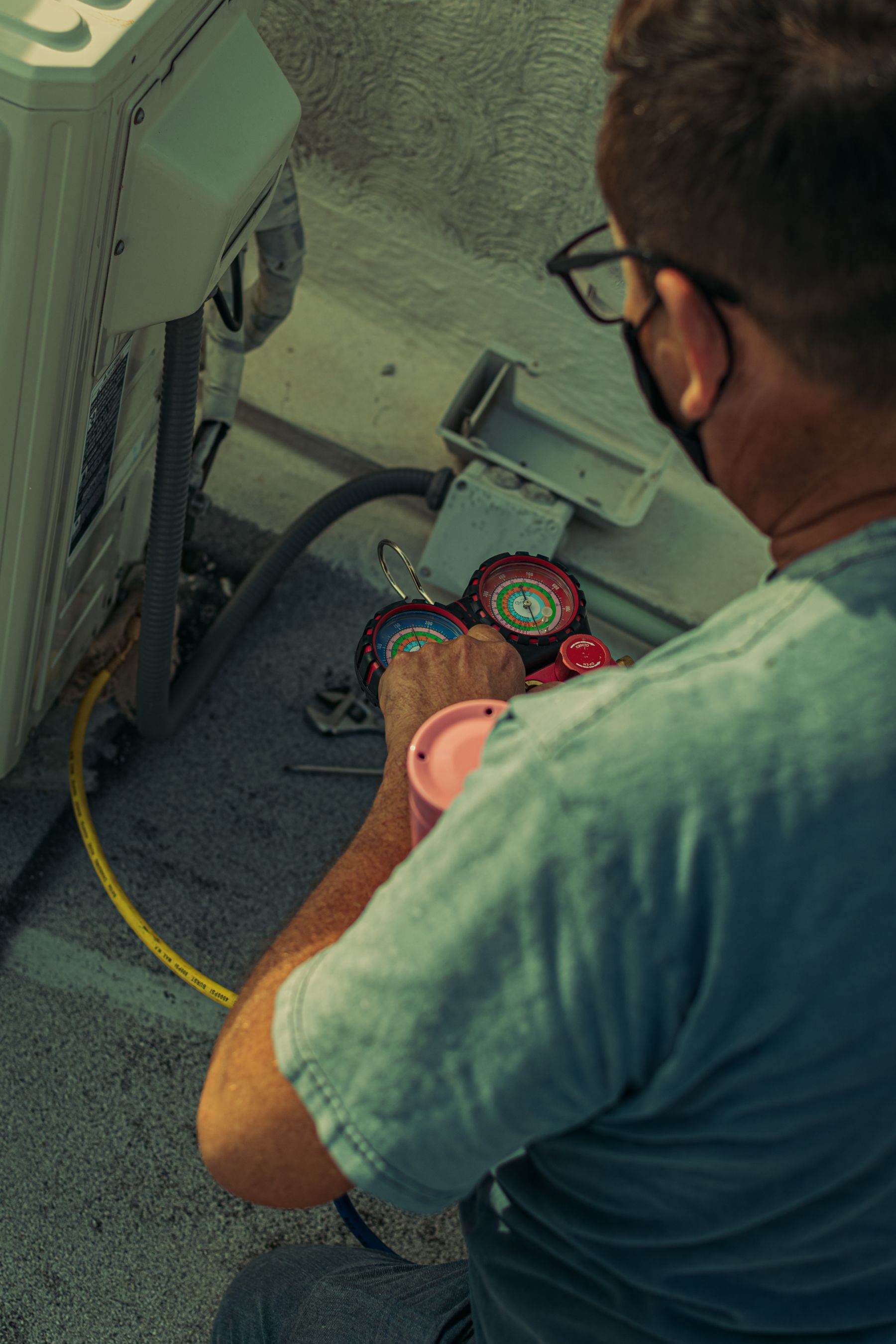
In South Florida, hurricane season runs from June 1 to November 30. A strong storm can damage the outdoor unit with wind, debris, flooding or power surges. A few simple steps before and after greatly reduce the risk of losing your AC right when it's hottest.
Before the storm
- Check that the outdoor unit is firmly anchored to its pad and the tie-downs aren't loose or rusted.
- Clear the yard of anything the wind could throw at the unit: planters, chairs, loose branches.
- Take photos of the unit and its model label: they help if you need to file an insurance claim later.
- Cool the house a few degrees more than usual while power is still stable.
- When the storm is close, turn the AC off at the thermostat and then at the breaker. This protects it from power surges.
Should you cover the outdoor unit?
You can cover it to shield it from debris while it's off, but never run it with the cover on: the condenser needs to release heat and can be damaged. Remove the cover as soon as the storm passes.
During power outages
When power keeps cutting in and out, the compressor suffers with every restart. It's better to leave the AC off at the breaker until the electric service is stable.
If you use a portable generator, keep in mind most can't handle a central AC. Never run a generator inside the house or in the garage: carbon monoxide is invisible and dangerous.
After the storm, before turning it on
- Look at the outdoor unit: if there are branches, leaves or trash on or around it, clear them carefully with the breaker off.
- If the unit was underwater, don't turn it on. Water damages the electrical parts and can be dangerous. Have a technician check it first.
- Check for loose wires, bent lines or the unit shifted off its pad.
- If everything looks fine, switch the breaker on first, wait a few minutes, then turn it on at the thermostat.
Signs something was damaged
- Warm air comes out or the unit won't start.
- There's a burning smell or the breaker trips.
- The unit makes noises it didn't make before.
- There's water where there wasn't before, inside or outside.
If you notice any of these signs, turn the unit off and call us. We'll connect you with a licensed technician in your area to check it.
Call now and we'll connect you today with a technician in your area.
Call now (305) 306-4511More tips
Do I need a permit to replace my AC in Miami-Dade?
When you need a permit to replace your AC in Kendall and Miami-Dade, who pulls it, which office issues it for your area, and what happens if you skip it.
Read
How much does AC repair cost in Miami? (2026)
2026 AC repair prices in Miami: service call, capacitor, drain line, refrigerant, compressor and new systems. What raises the price and how to avoid overpaying.
Read
Repair or replace your AC? A guide for Miami-Dade homes
How to decide whether to repair or replace your air conditioner in Miami-Dade: unit age, refrigerant type, repair cost and electricity use.
Read
How often should you change your AC filter in Miami?
A simple guide to how often to change your AC filter in Miami, which type to buy and the problems it prevents: leaks, weak cooling and high bills.
ReadDid your AC stop cooling?
Call now and we'll connect you today with a technician in your area.